Cooked
It is not in the lodges that you will discover the cuisine of the country. The food they serve, as good as it is, is international cuisine (very spicy, in general). There are buffets for lunch and dinner with a wide variety of European dishes.
– Meats: no problem in lodges or establishments of European standard. If in doubt, turn to the chicken instead.
– Fish and shellfish: a treat for simplicity and taste, at low prices. They should be avoided in park lodges , where freshness is never guaranteed. On the east coast and in Zanzibar, on the other hand, the seafood is very fresh. Lobsters, sea cicadas and crabs are delicious and presented on the maps of many restaurants in Zanzibar, at very reasonable prices.
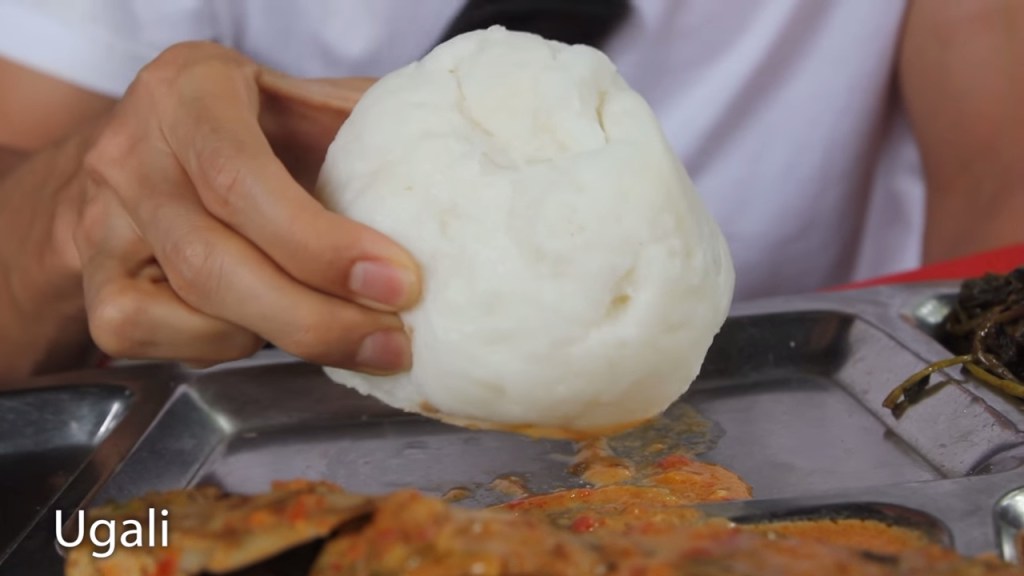
They are served in various ways: grilled, in curry or masala (mixture of spices), in coconut milk, accompanied by pilaf rice and ugali (cassava porridge). It can sometimes be quite spicy.
In the villages, the fishermen like to cook their catch themselves. Freshness guaranteed! Octopus (pweza ) is not bad either.
Further inland, you will taste the Nile perch and the essential tilapias caught in the waters of the great lakes.
– Raw vegetables and vegetables: beware of raw vegetables and uncooked vegetables. For hygiene reasons, avoid them. Prefer cooked, boiled, grilled or pan-fried vegetables. Most of the vegetables from Europe can be found on the plates of lodges and restaurants: tomatoes, carrots, cabbage, green beans. And also, fortunately, more local vegetables and tubers (sweet potato, cassava, okra …)
– Fruit: pineapple, mango, passion fruit, papaya, banana … They are delicious and inexpensive.
Tanzania food
– The most common Tanzania food and East Africa is the ‘ ugali , a kind of polenta (mashed) based on cooked maize or cassava. Taken alone, it doesn’t really taste like. This is why it is usually accompanied by a stew, consisting of pieces of meat simmered in an onion and tomato sauce, and chopped vegetables.
– There is also pilau rice (spicy rice), much more spicy, and byriani rice (Indian style rice dish).
Difficult to find breathtaking Tanzanian cuisine. However, it deserves to be tested in restaurants that make an effort to work with local products. If you are with Tanzanians who love meat or vegetable dumplings and donuts, try the sambusas (see below) and other mishikaki (skewers).
Indian food
Several small Indian restaurants in the cities (Arusha, Moshi, Dar es-Salaam), and in Zanzibar. You can eat for three times nothing with a few samosas (or sambusas ; with vegetables rather than meat), a little masala rice (mixed with a spicy sauce), or chapatis , sometimes garnished. In general, it’s good and convenient for eating on the go at noon.
Most small street snacks or cheap cafeterias are actually run by Indians.
Drinks
Always ask for a cold drink, not iced (difficult to digest in the heat). Say ” bila barafu “: without ice. Drink cool, but not cold.
– Water: never drink tap water. Also avoid ice cubes (made with plain water) in glasses, which carry bacteria. The best solution is to drink mineral water (more expensive than a soda …) sold in encapsulated bottles.
– Tea and coffee: local tea, very full-bodied, is always served with boiled milk and already sweetened. If you want it plain, ask for a kavu chai . Coffee (arabica and robusta), also produced locally, undergoes the same treatment, but espressos are found quite easily.

– Beer: good beers are on sale almost everywhere (except in Zanzibar, in certain establishments run by particularly strict Muslims). There is a choice between Safari (quite strong), Kilimanjaro and Castle Lager (lighter, with less foam). In northern Tanzania, if you stop to drink or eat at a small local establishment, don’t hesitate to ask for banana beer. With a little luck, we will find you a few bottles prepared by hand.
– Imported wines: in most lodge restaurants , the wine comes from South Africa. We can forget the local wine.
 Tanzania Recipes